When your car begins acting differently, the cause is not always easy to find. Warning lights, strange noises, trouble starting, or changes in how the vehicle performs may involve one component or several connected systems.
Master Car Care & Collision provides professional vehicle diagnostic services in Houston, Texas, backed by advanced technology, hands-on testing, and decades of automotive expertise. Our ASE-certified technicians work to identify issues accurately before recommending repairs. Our goal is to help Houston drivers avoid guesswork and unnecessary parts replacement, and drive away with the problem resolved.
What car diagnostics can identify
Modern vehicles function with the help of computers, modules, wiring, and sensors which monitor almost every part of their operation. When one of these systems detects a problem, it may trigger a dashboard light, store a trouble code, or cause a change in performance that is noticeable.
Our car diagnostic services can target concerns involving:
- Engine and drivability systems
- Transmission operation
- Battery, starter, and charging systems
- Electrical wiring, switches, and modules
- Fuel and ignition systems
- Brake and ABS warning lights
- Exhaust and emissions components
- Cooling-system operation
- Computer-controlled sensors
One common reason drivers request diagnostic services is an illuminated check engine light. However, that is not the only sign of a problem. Battery, ABS, transmission, temperature, traction-control, and other dashboard lights may also be causes for professional testing.
Our vehicle diagnostic process
Accurate diagnostics are about more that simply connecting a scanner and reading a code. Our trained technicians use both professional diagnostic tools and physical inspections and system testing to pinpoint the real underlying problem.
1. Discussing the symptoms
We begin by asking what you have noticed and when the problem occurs. Details about noises, odors, dashboard lights, shifting changes, or reduced performance help our team understand where to begin.
2. Computer scan and system review
Our technicians connect professional scanning equipment to retrieve stored, pending, or history trouble codes. We may also review live system data to see how the vehicle is operating under current conditions.
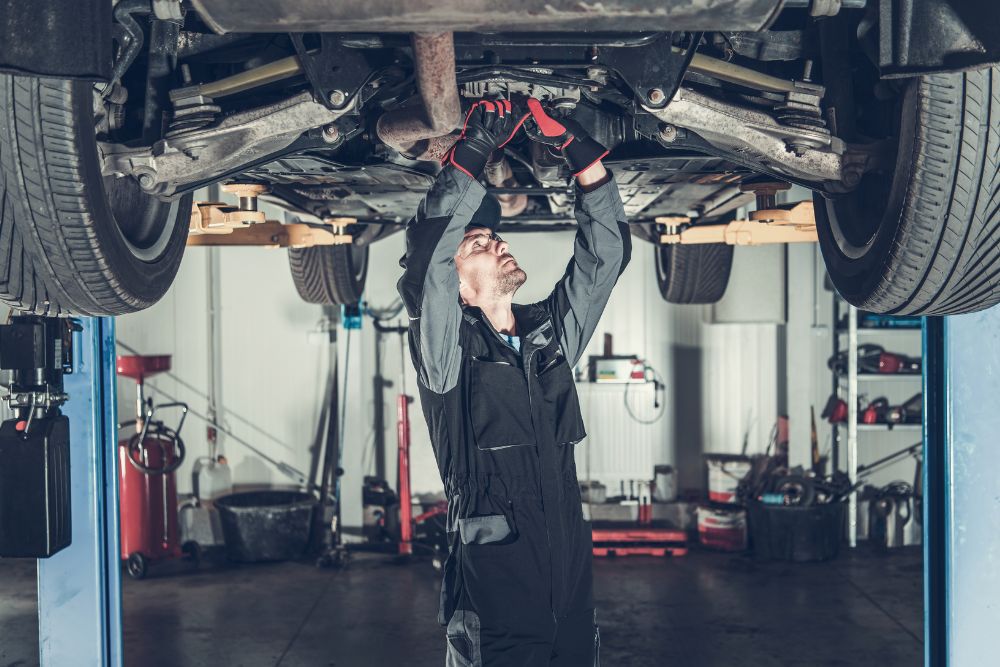
3. Hands-on inspection and testing
A trouble code is only a starting point. We inspect related wiring, connections, fluids, components, and mechanical systems, then perform targeted testing to determine what caused the fault.
4. Road testing when needed
Some problems only appear while the car is moving. A road test may help us reproduce strange noises, vibrations, hesitation, shifting concerns, or other symptoms and analyze how the vehicle responds.
5. Findings and next steps
Once the testing is complete, we discuss what we found and explain the recommended repairs. You will have the information needed to understand the problem and approve the next step before work begins.
A diagnostic scan is only the starting point
A basic code scan can identify the system that detected a fault, but it does not always reveal the exact failed part. Different electrical, mechanical, fuel, or emissions problems may produce similar codes.
Our professional diagnostic check goes beyond reading the code. By testing related components and reviewing how the system operates, we can pinpoint the cause and reduce the chance of replacing a part that does not solve the problem.
Signs your car may need diagnostic services
You do not need to wait for a dashboard light to schedule car diagnostics. Contact our Houston, TX shop when you notice concerns such as:
- Dashboard warning lights: Engine, battery, ABS, transmission, traction-control, check engine lights, and other lights indicate that a monitored system requires attention.
- Trouble starting: Slow cranking, intermittent starting, or a no-start condition may involve the battery, starter, fuel delivery, ignition, or electrical systems.
- Reduced fuel efficiency: A sudden drop in mileage may point to problems involving fuel delivery, airflow, ignition, emissions components, or sensors.
- Changes in engine performance: Rough idling, hesitation, stalling, reduced power, or an engine misfire can have several possible causes.
- Strange noises: Knocking, grinding, squealing, clicking, or humming may indicate mechanical wear or another developing problem.
- Shifting concerns: Delayed engagement, slipping, hard shifts, or unusual transmission operation may require a diagnostic check.
- Electrical problems: Flickering lights, malfunctioning accessories, or intermittent warning messages can point to wiring or charging-system concerns.
- Unusual smells or smoke: Burning odors, coolant smells, exhaust fumes, or visible smoke deserve prompt attention.
Diagnostic testing for major vehicle systems
Engine and drivability diagnostics
We evaluate problems involving rough running, loss of power, stalling, overheating, ignition faults, fuel delivery, and other changes in engine performance. Proper testing helps us separate sensor concerns from fuel, electrical, emissions, or mechanical problems.
Electrical and starting-system diagnostics
Our car diagnostic services can evaluate batteries, alternators, starters, wiring, switches, modules, and related connections. Electrical faults can be intermittent, so careful testing is often necessary to locate the source.
Transmission diagnostics
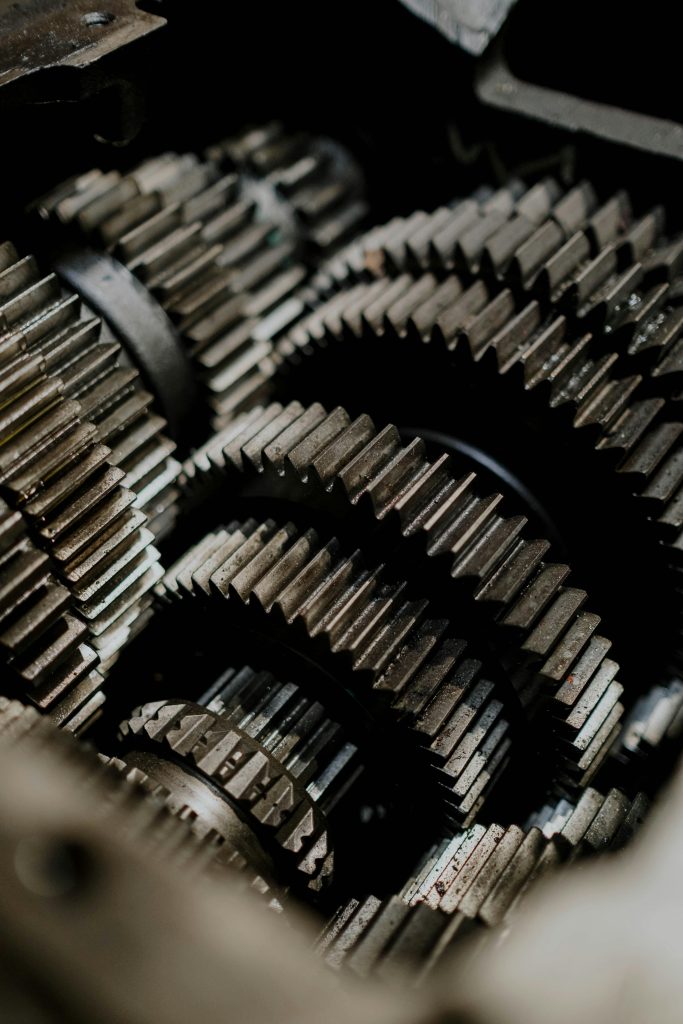
Transmission problems may involve fluid condition, internal wear, electronic controls, wiring, or sensors. We inspect the related systems to help identify the reason for shifting problems, warning messages, or changes in operation.
Brake and ABS diagnostics
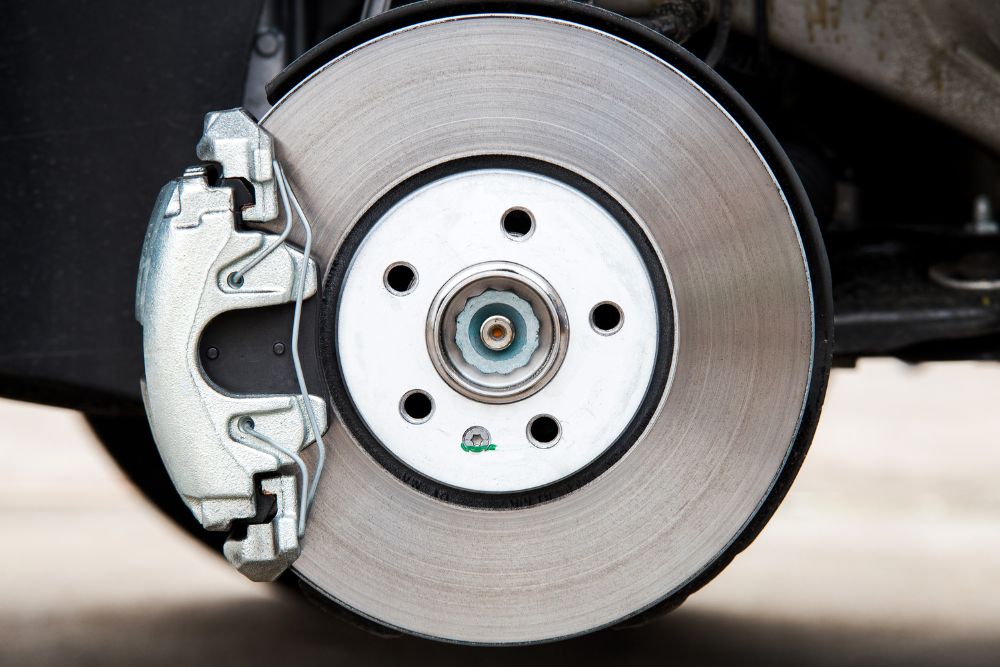
An ABS or traction-control light may be connected to a wheel-speed sensor, damaged wiring, control module, or another braking concern. Our technicians use advanced equipment to test the system and recommend the appropriate repairs.
Emissions and exhaust diagnostics
Problems with oxygen sensors, EVAP components, fuel mixture, or the catalytic converter can affect emissions and fuel efficiency. Testing helps determine whether the concern involves a sensor, leak, wiring problem, or another component.
Check engine light diagnostics
A steady or flashing check engine light can point to problems involving the engine, ignition, fuel, emissions, or related electrical systems. We use a computer scan and hands-on testing to identify the cause, then explain the appropriate next step.
For more information about common causes, warning-light urgency, and related repairs, visit our dedicated check engine light diagnostics page.
Why accurate diagnostics matter
Professional diagnostic services help us figure out what is actually wrong before repairs begin. This can help drivers:
- Avoid unnecessary repairs: The right testing helps out team confirm the source of the problem instead of assuming.
- Catch bigger problems early: Most diagnostics reveal problems that may be developing to help reduce the risk of breakdowns or more costly repairs.
- Protect performance and efficiency: Fixing fuel, electrical, sensor, and mechanical concerns can help keep the vehicle operating reliably.
- Plan repairs with confidence: A clear diagnosis allows you to understand what needs immediate attention and what can be monitored.
Why Houston drivers trust our diagnostic team
Master Car Care & Collision has served the Houston, TX community for more than 40 years. Our shop combines modern tools with practical experience to provide dependable car diagnostic services for domestic, European, and import models.
Customers choose us because we offer:
- ASE-certified technicians with proven expertise
- Professional diagnostic tools and hands-on testing
- Service for a wide range of makes and models
- Customer approval before repairs begin
- A free customer shuttle for added convenience
- Coupon specials for added value on routine services
Our goal is to provide real information and the best recommendations so you get the best value with every visit.
Vehicle diagnostics FAQ
Is a code scan the same as a complete diagnosis?
No. A scan retrieves codes and system data, while a complete diagnosis includes additional inspections and testing to identify the cause.
Can you diagnose problems without a warning light?
Yes. Strange noises, trouble starting, vibrations, shifting concerns, and changes in performance may require testing even when no dashboard light is present.
How long do car diagnostics take?
The time depends on the problem. Straightforward concerns may be identified quickly, while intermittent electrical or system problems may require more in-depth testing.
What warning lights can you diagnose?
We can evaluate concerns involving engine, transmission, battery, ABS, traction-control, emissions, and other computer-monitored systems.
Schedule vehicle diagnostic services in Houston, TX
When warning lights, starting problems, unusual noises, or changes in performance leave you unsure what is wrong, visit Master Car Care & Collision. Our ASE-certified technicians provide thorough car diagnostic services using computer scanning, hands-on testing, and proven inspection methods.
Contact our Houston, TX shop today to schedule a diagnostic check and get clear answers about your car.